
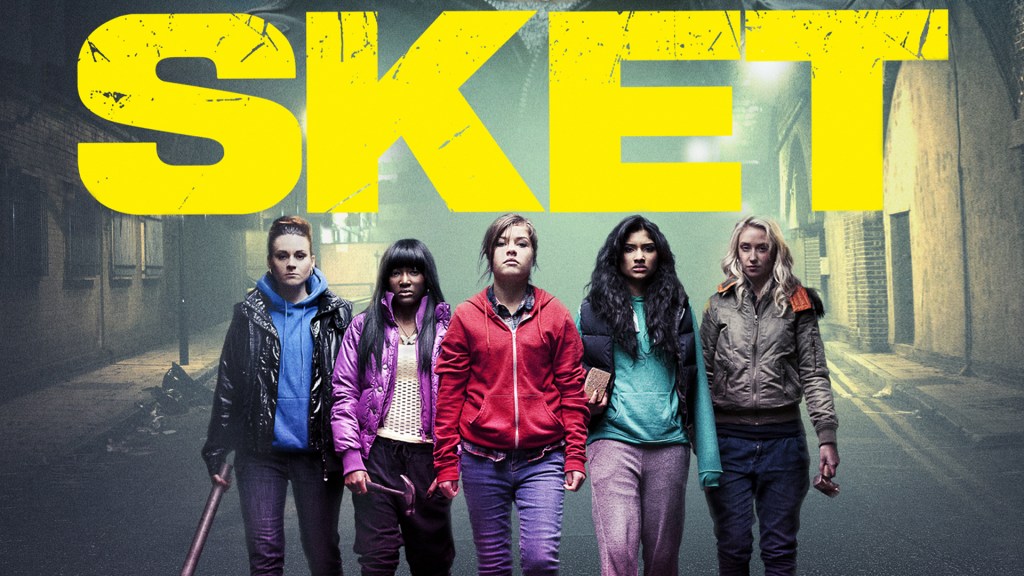
Nirpal Bhogal’s 2011 film Sket is one of those British urban crime dramas that feels instantly familiar, but still manages to stand out in its own way. Set on the housing estates of London, Sket follows Kayla (played by Aimée Kelly) , a teenage girl who joins a female gang in order to get revenge on the drug dealer responsible for her sister’s murder.
What struck me most about Sket is how much it feels like a precursor to other British crime stories such as Top Boy (which also features Ashley Walters and started its TV run in 2011), The Guvnors, or even earlier films like Kidulthood (2006). Sket has the same gritty estate setting, the same themes of revenge, loyalty, and survival, and that raw, sometimes uncomfortable realism. In some ways, it does feel like it follows a blueprint we’ve seen many times before. Even critics at the time questioned whether we needed “another post-Kidulthood gang crime drama.” (yes we did should be the answer)
However, one of the things that makes Sket genuinely interesting is its focus on girls rather than boys. That shift in perspective gives the film its own identity. Instead of the usual male-dominated gang hierarchy, we see female friendships, rivalries, and emotional struggles at the centre of the story. It adds a different emotional weight, and it’s refreshing to see a film in this genre explore that angle. The girl gang feels believable, and their bond becomes the emotional core of the film.
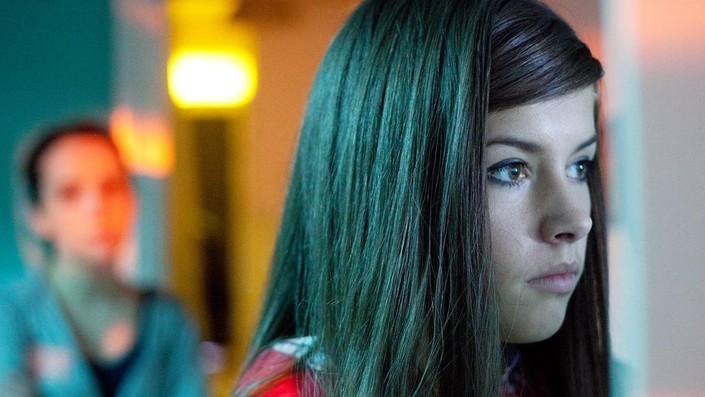
The performances are solid, particularly Aimee Kelly as Kayla, whose transformation from a vulnerable newcomer to someone hardened by grief is compelling. The film also captures the atmosphere of London estate life well, with a gritty visual style and strong soundtrack that helps ground the story.
The story can feel a little predictable, and some of the character development isn’t as deep as it could have been. There are moments where it feels like it’s going through the motions of the genre rather than breaking new ground. However, Sket is a really good, but not great, urban crime drama. It doesn’t reinvent the wheel, but its focus on female characters gives it a unique edge and makes it worth watching. It feels like an important stepping stone in the wave of British urban storytelling that would continue to grow in the years after its release.
 BritishFilmNews.Com
Leave a comment